
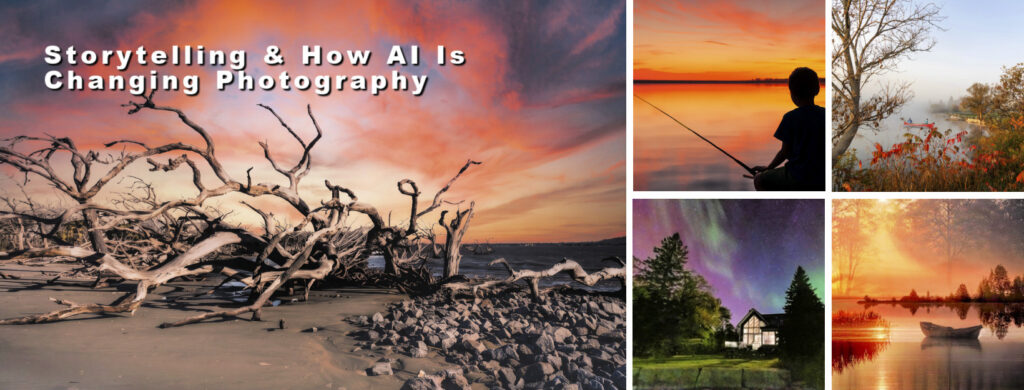
Photography has always been about more than simply capturing a beautiful image. At its heart, photography is about storytelling. It is about sharing how we see the world, capturing a moment in time, creating an emotion, and inviting others to see something they might otherwise overlook.
But today, artificial intelligence (AI) is changing the photographic landscape. From the camera in our hands to the software on our computers, AI is influencing how we capture, process, organize, and even create images. This raises an interesting question for every photographer: as technology becomes increasingly capable of producing technically perfect images, what makes a photograph truly our own? That’s what we want to explore in this issue.
Al In Camera
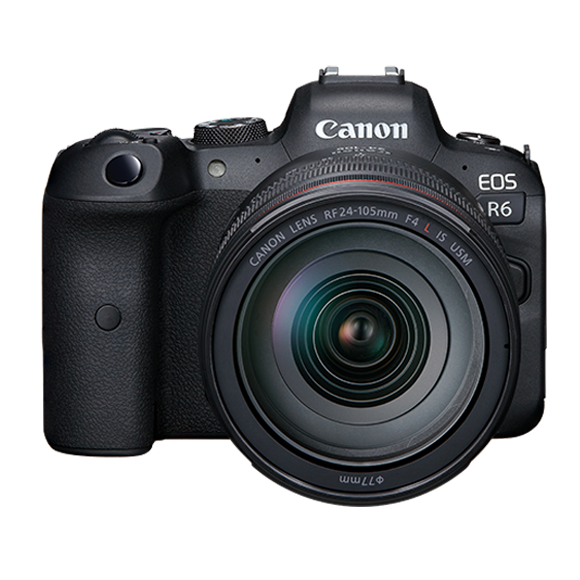
Like it or not, you are probably already using AI in your photography without even realizing it. Modern cameras use intelligent autofocus systems to recognize and track people, animals, vehicles, and other subjects, such as my Canon R6 camera. Smartphone cameras also combine multiple exposures, reduce noise, recognize scenes, and automatically adjust images to produce impressive results. So, like it or not, we are already using Ai technology to capture images. AI didn’t suddenly arrive—it has been quietly becoming part of photography for years.
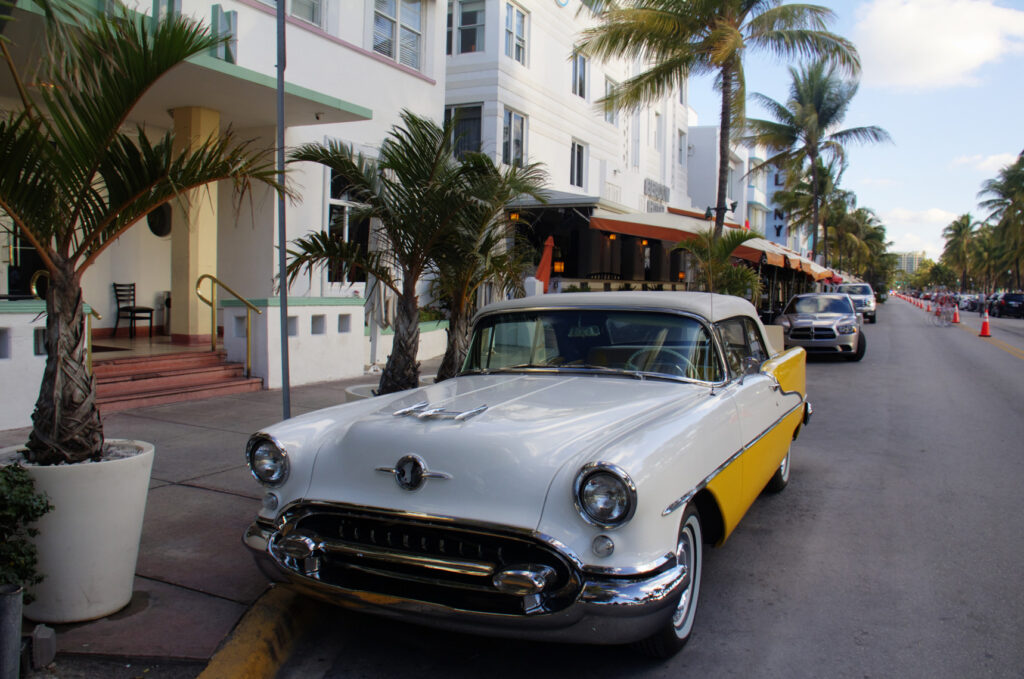
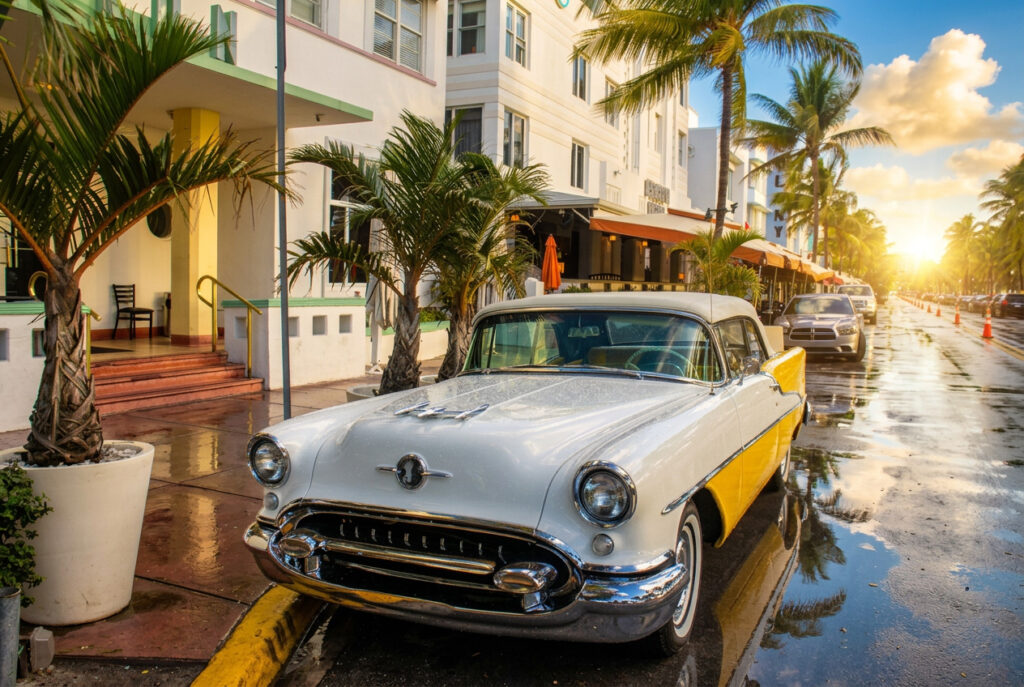
18mm focal; 1/100 sec.; f/9; ISO 800 Ai Photoshop Enhancement
Al In Editing Software
AI has taken photo editing to another level. We can now remove distractions, select subjects, reduce noise, sharpen details, replace backgrounds, and make complex adjustments in seconds. These tools save time and allow us to focus more on our creative vision. However, there is a difference between using AI to enhance our photography and asking it to create something entirely new.
The example above illustrates this perfectly. The original photograph was taken by me in Miami’s South Beach. The image on the right was enhanced using an AI prompt to recreate the scene after a rainfall at sunset. Same photograph, but a completely different atmosphere! AI doesn’t replace the photographer’s vision—it gives us new tools to express it.
28mm focal; 1/30 sec.; f/16; ISO 4000; Aperture Mode
Creating Your Story
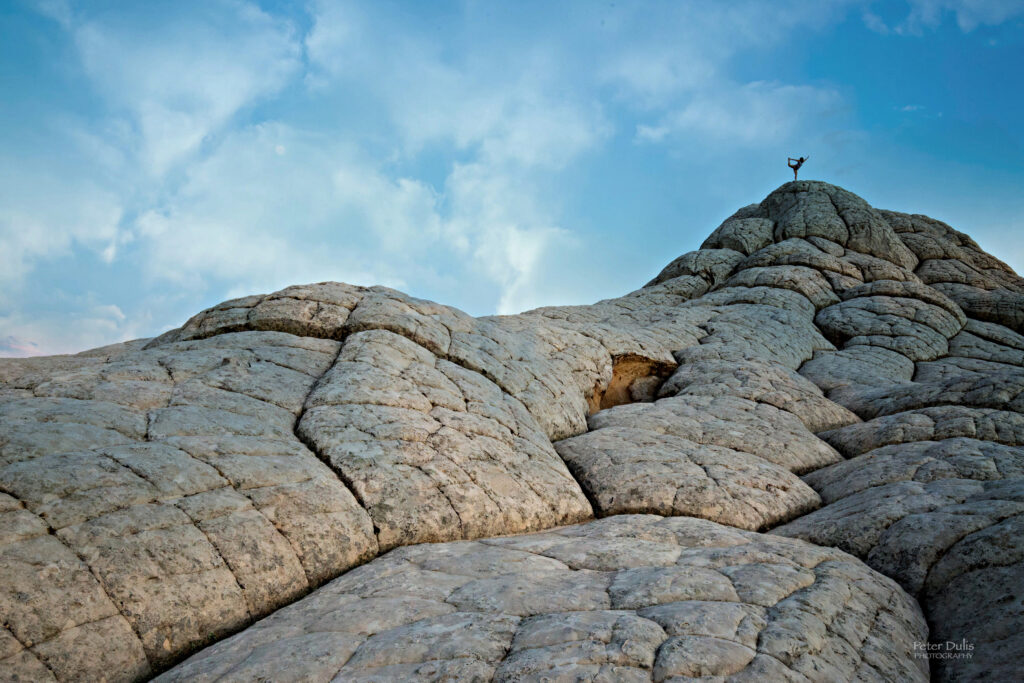
While attending a photography workshop at White Pocket, Arizona, I experienced one of those magical moments of serendipity. Our guide climbed to the top of Brain Rock and began her morning yoga routine. What an unexpected and beautiful scene! Someone else might have walked right past without giving it a second thought, but it caught my eye. I loved the unusual rock formations and the peaceful moment of this woman enjoying her own space among them.
As photographers, we make the choices: what to include, what to leave out, and when to press the shutter. That becomes our personal story. AI might create a similar image, but it could never recreate the actual moment I experienced. I was there; I saw it, felt it, and captured it. AI can enhance my photograph, but the experience and personal connection will always be mine.

Ai Created in Photoshop
Can AI Create the Perfect Photograph?
AI image-generation tools can produce remarkably realistic and imaginative images from written descriptions, such as the one above of a Caribbean sunset I created in Photoshop. AI can create scenes that never existed, combine elements from different places, and produce visual results that would be difficult or impossible to capture with a camera.
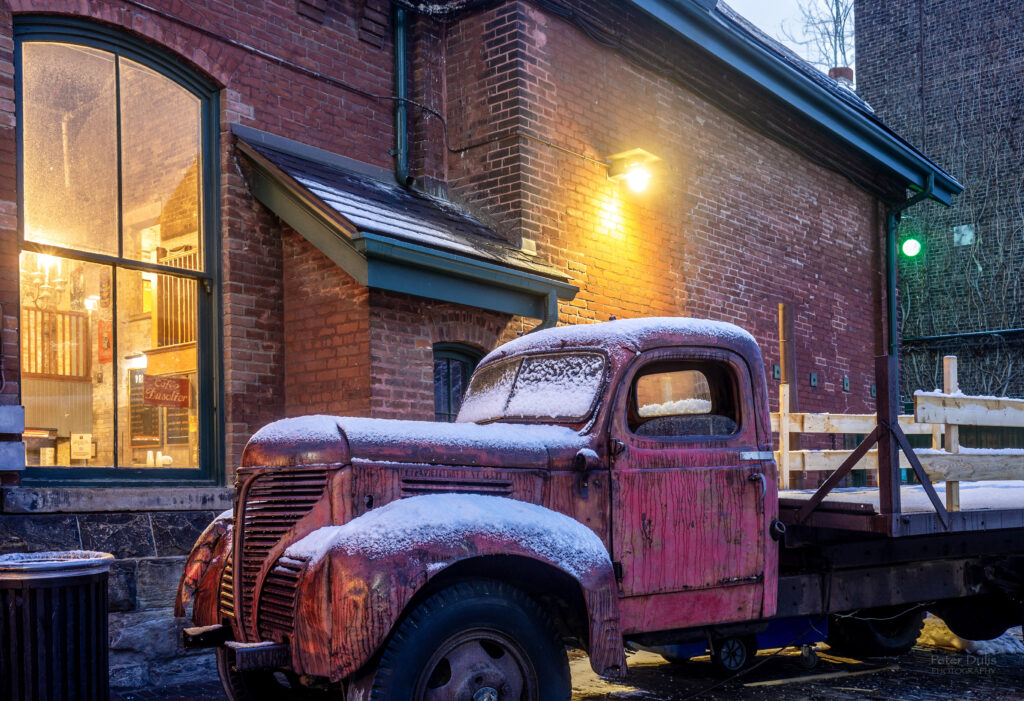
This technology challenges our traditional understanding of photography. If an image looks completely real but was generated by AI, is it my image? I would say no. And if AI can create a technically flawless image in seconds, does that make the photograph I create with my camera less valuable? I believe the answer lies in understanding that technical perfection and meaningful storytelling are not the same thing. The story behind the image matters. So does the intention of the person who made it.
35mm focal; 13 sec.; f/11; ISO 100; Aperture Mode
The Photographer’s Vision Still Matters
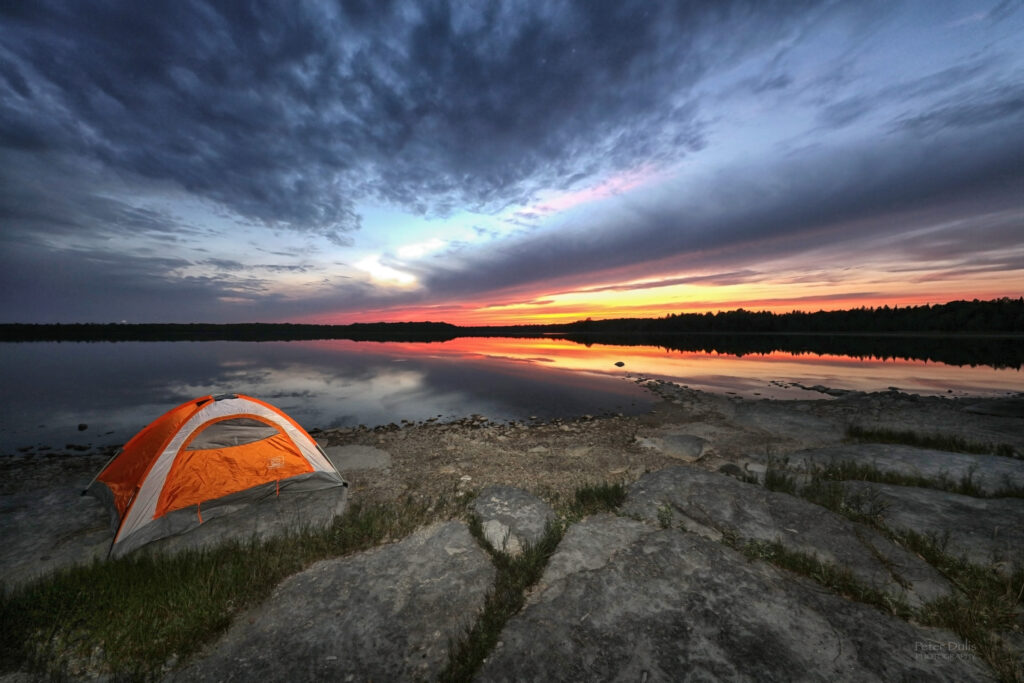
Rather than viewing AI as a threat, we should see it as another tool in our creative arsenal. Just as autofocus, digital sensors, and editing software changed photography, AI is opening new possibilities for artistic expression. We can use AI to overcome technical limitations, experiment with creative ideas, and spend more time refining our images. But we should not allow technology to replace the most important part of photography: the art seeing.
12mm focal; 1/40 sec.; f/9; ISO 400; Aperture Mode
Your Story, Your Photograph
As photographers, we have an opportunity to embrace the advantages of AI without losing sight of what makes photography meaningful. Let AI help with the repetitive tasks. Let it assist with editing, organization, and technical challenges. Experiment with new tools and remain curious about what technology can offer.
But never stop developing your own vision.
The next time you lift your camera, ask yourself a simple question: Why am I making this photograph? Is it because the light is beautiful? Because the moment reminds you of someone? Because the scene evokes a feeling you cannot quite put into words? Or because you see something in the ordinary that others might miss? Whatever the reason, that personal connection is what we bring to the table.
Photography is not simply about what we see through the lens. It is about how we see the world—and what we choose to share with others. Keep exploring. Keep experimenting. Keep telling your stories. And never stop seeing the world in your own unique way.
The Finishing Touch
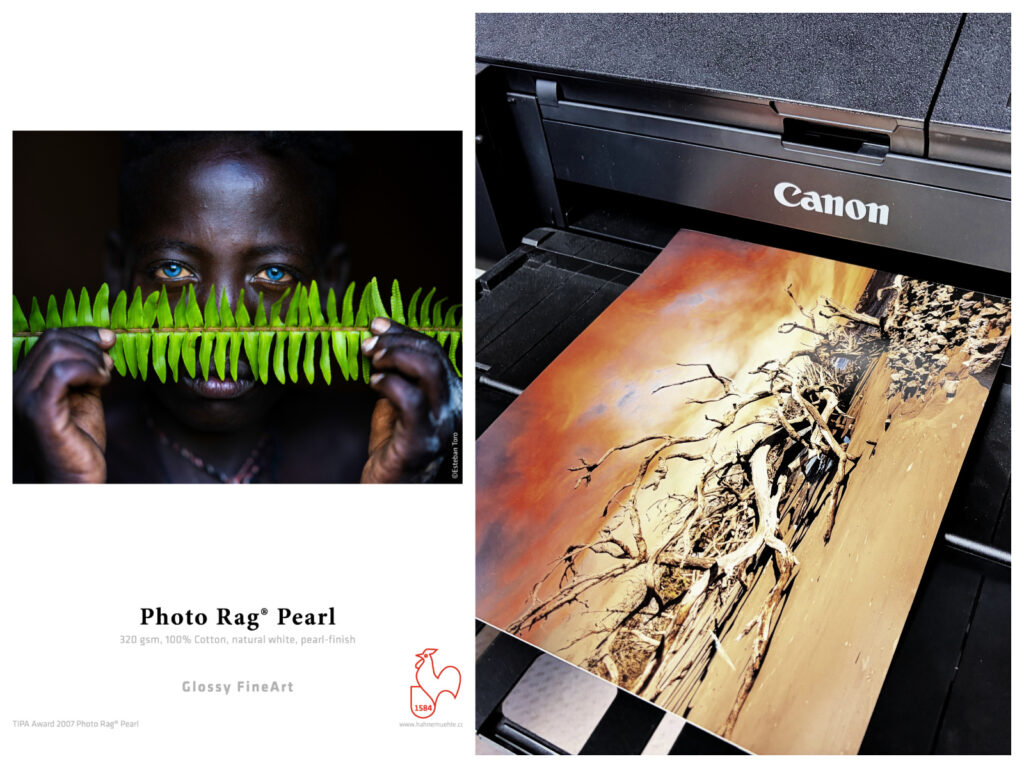
For this Al Storytelling collection, I decided to experiment with the Hahnemühle Photo Rag Pearl media, from the Glossy FineArt collection. The 100% Cotton · natural white · pearl-finish Hahnemühle Photo Rag Pearl is a pure cotton paper with an inkjet coating that has been optimised for FineArt applications. It’s got a beautiful warm shade of white that I thought may lend itself to this collection. There’s a Glossy FineArt sample pack that allows you to try out 8 different types of glossy medias. (2 sheets of each) Why not give it a try!
— Peter Dulis
Photographer, Educator & Visual Storyteller