
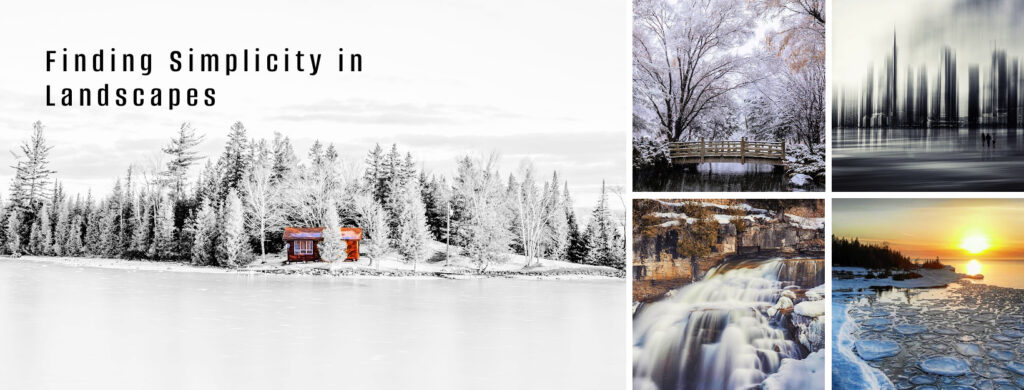
In a world that often feels crowded—visually and mentally—there is something deeply refreshing about simplicity. Landscape photography offers a unique opportunity to slow down, strip away distractions, and focus on what truly matters within a scene. Simplicity is not about having less to photograph, but about seeing more clearly.
Finding simplicity in landscapes is about learning to see beyond the clutter and recognizing the beauty of a single subject surrounded by space. So, for this article I thought I’d share some of my landscape photos highlighting minimalism.
Use Light as a Simplifier
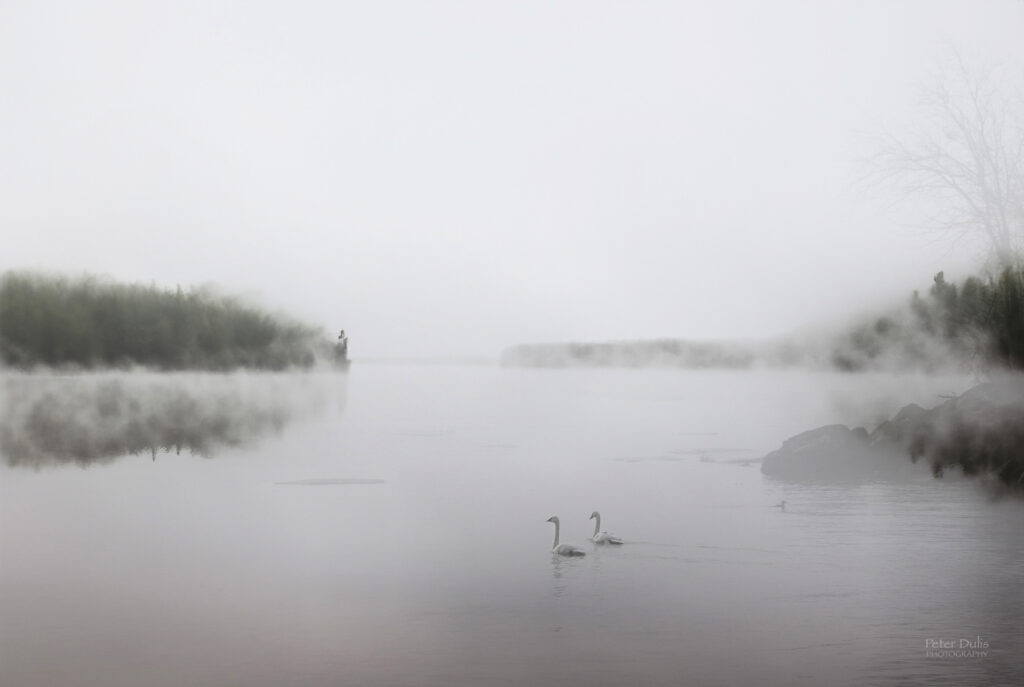
Light has the ability to both reveal and conceal. Soft, diffused light—like that found on overcast days or during foggy mornings—naturally reduces detail and simplifies a scene. Harsh light can create complexity, while gentle light smooths it away. Early mornings and late evenings are especially powerful. The low angle of the sun can isolate subjects with subtle highlights and long shadows, guiding the composition with intention. A few weeks ago, when a dense fog rolled in over the lake, I felt compelled to head straight to the waterfront, certain that a moment of photographic magic was about to unfold.
Let Snow Become Your Background
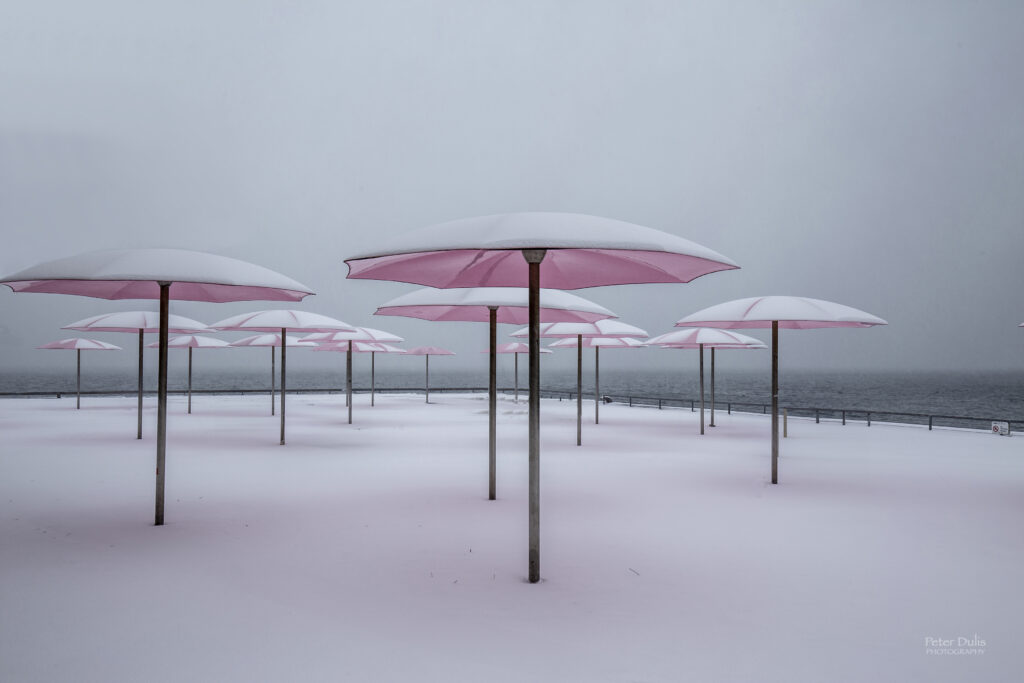
Fresh snow acts like a natural canvas. It smooths textures and hides distractions that might otherwise crowd a photograph. Instead of trying to capture everything in front of you, look for one strong subject or a series of interesting shapes that stands out against the snow. This could be: umbrellas, a single tree, a fence post, a distant barn, a lone person walking. The large areas of white snow help isolate the subject, making it the clear focal point of the image. I’ve always loved Toronto’s Sugar Beach—especially just after a fresh snowfall. On this visit, I was greeted with a pristine blanket of snow, beautifully contrasted by the shimmering pink umbrellas.
The Power of Negative Space
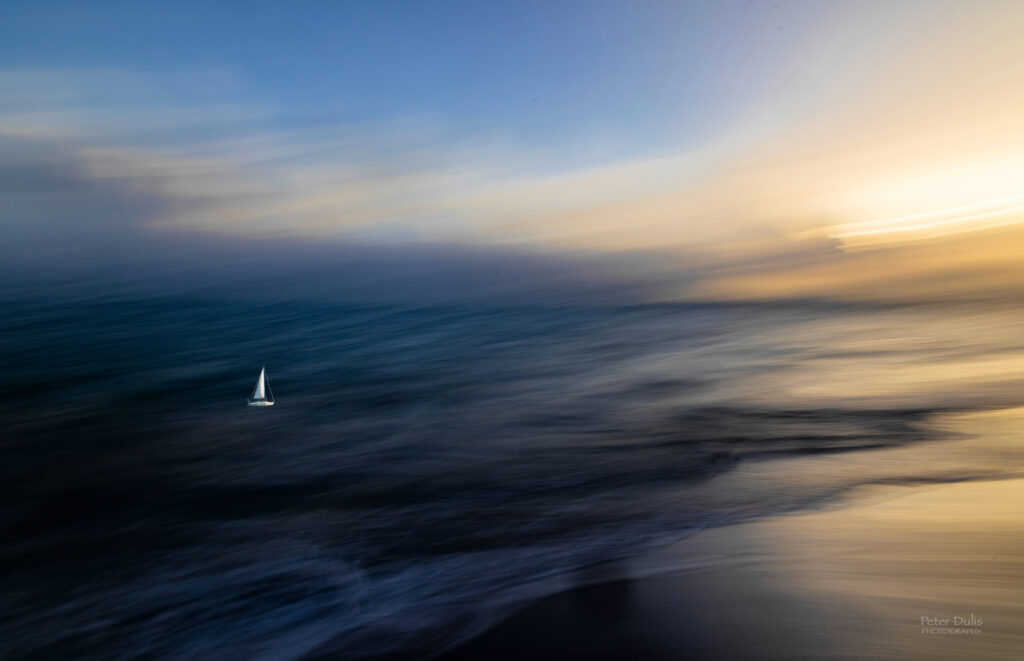
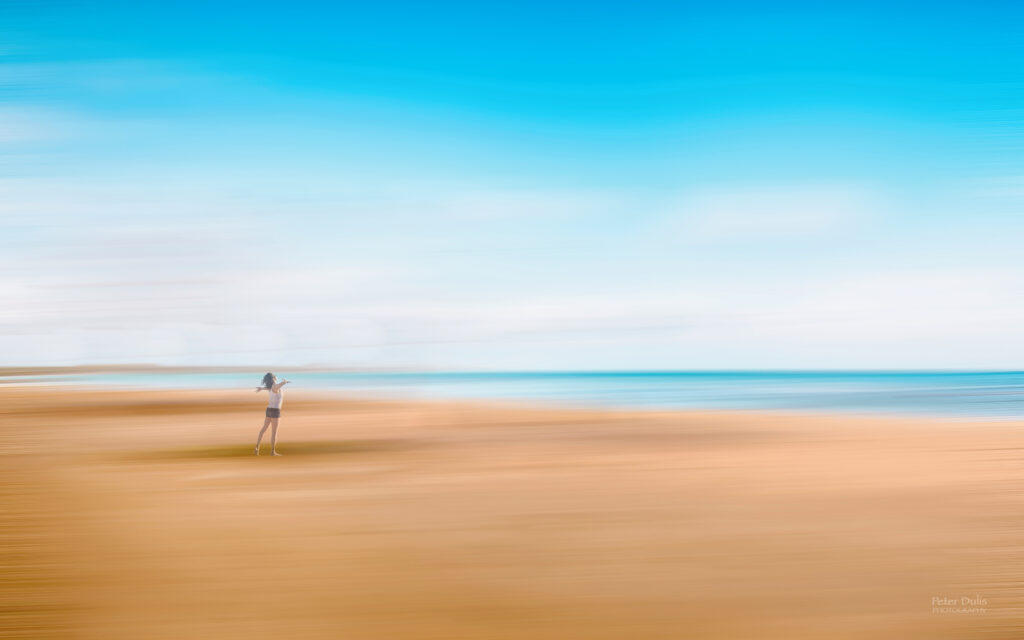
Negative space is one of the most effective tools in minimalist landscape photography. By allowing large portions of your frame to remain empty—whether it’s sky, water, fog, or snow—you give your subject room to breathe. This space creates balance and draws the viewer’s eye exactly where you want it to go. It also evokes a sense of calm, inviting the viewer to pause rather than rush through the image. I love escaping to the Caribbean islands during the winter months. The weather is consistently beautiful, and the simplicity of the surroundings offers endless opportunities for striking minimalist photography.
Composition with Intention
Simplicity does not mean randomness. In fact, it requires greater intentionality. Consider how your subject is placed within the frame. Centering can emphasize stillness and balance. The rule of thirds can create gentle tension. Leading lines can guide the eye through an otherwise sparse scene. Even in minimalism, structure matters. This shot from Aruba is one of my favorites, thanks to its beautifully simple color palette.
Focus on Shape and Contrast
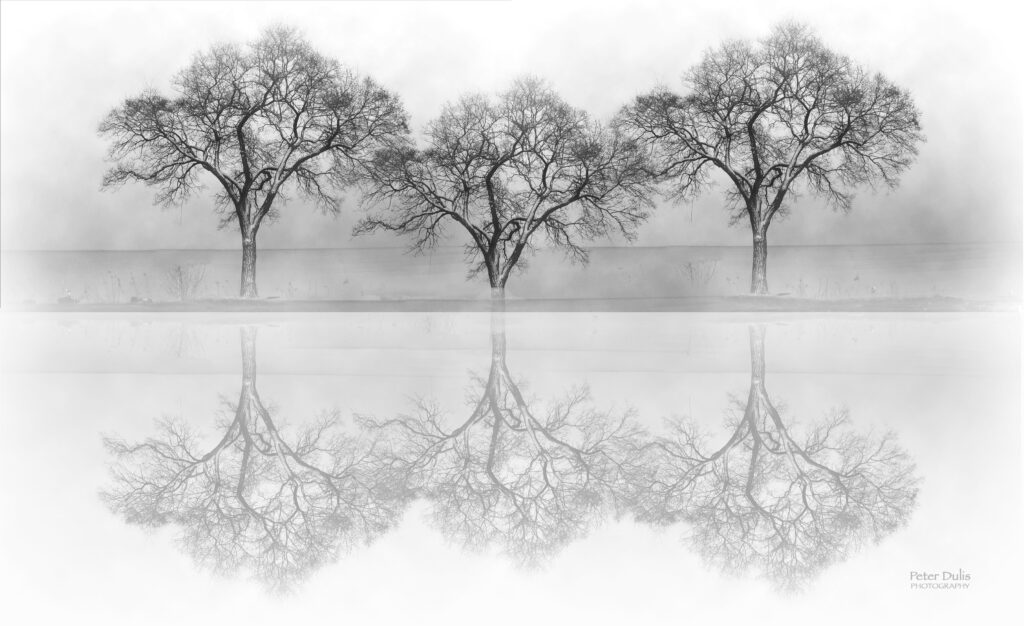
Without strong colors, snowy scenes rely heavily on shapes and contrast. Dark elements like trees, branches, fences, or rocks stand out beautifully against bright snow. When composing your photograph, pay attention to: Clean lines – Simple shapes – Strong silhouettes. A single dark subject against a bright snowy background can create a striking and elegant image. This tree, captured along the shores of Lake Ontario, was digitally enhanced in Photoshop by duplicating it and creating a subtle 50% upside-down reflection.
Slow Down and Observe
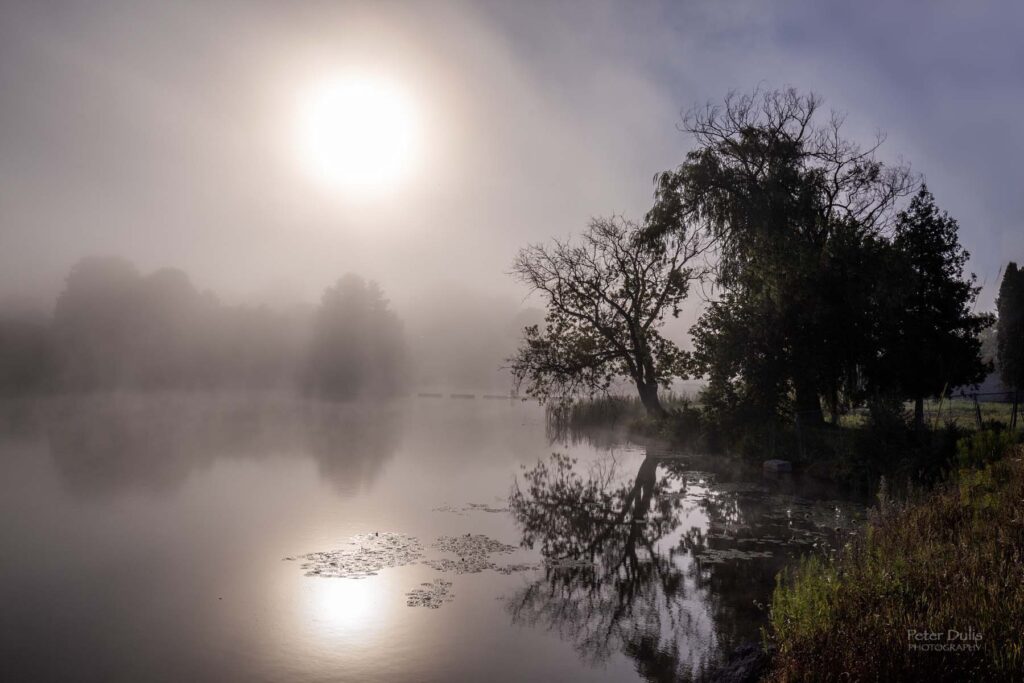
Minimalist photography is not about rushing from scene to scene. Instead, it encourages us to slow down and observe. Fog transforms ordinary places into peaceful landscapes, and sometimes the best photograph may be right in front of you. Look for: A lone tree standing against the sky, A quiet path disappearing into fog, Footprints crossing fresh snow. These simple scenes often carry the most emotional impact. Foggy mornings in the Kawarthas region are truly magical. I photographed this scene in the charming town of Coboconk, using a tripod and a three-second exposure to achieve the silky-smooth water effect.
Final Thoughts
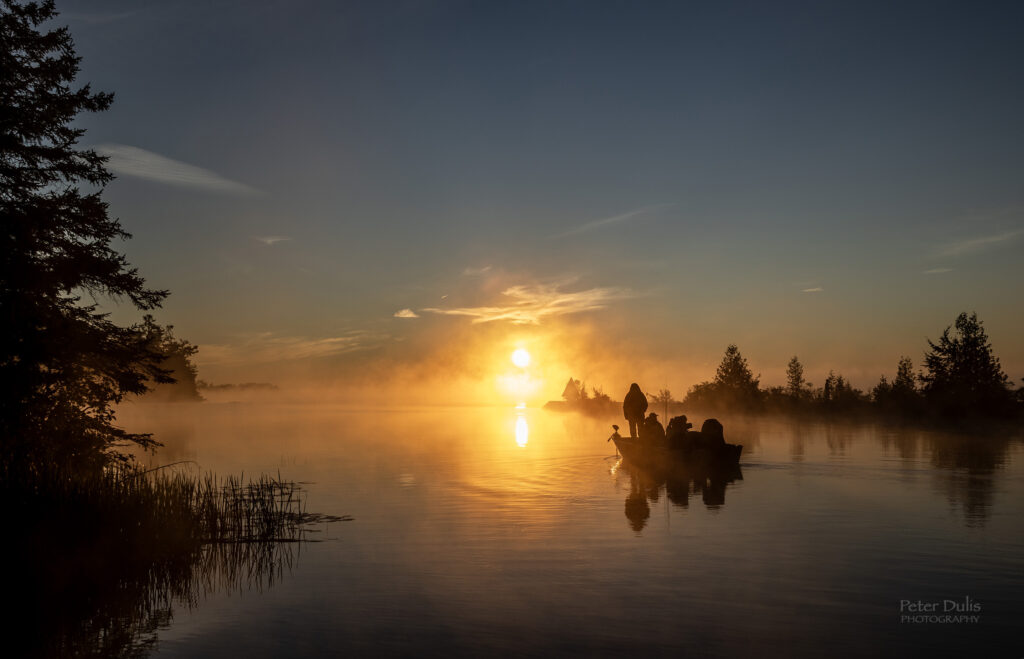
Simplicity in landscapes is not about removing meaning—it’s about refining it. When we learn to see with clarity and intention, we create images that feel timeless, and deeply personal. In the quiet stillness of a landscape, photography becomes less about capturing everything—and more about discovering the elegance of simplicity. One of my favorite sunrise spots is at the boat launch on Balsam Lake. The sunrise never fails to impress, delivering breathtaking views time and again.
The Finishing Touch
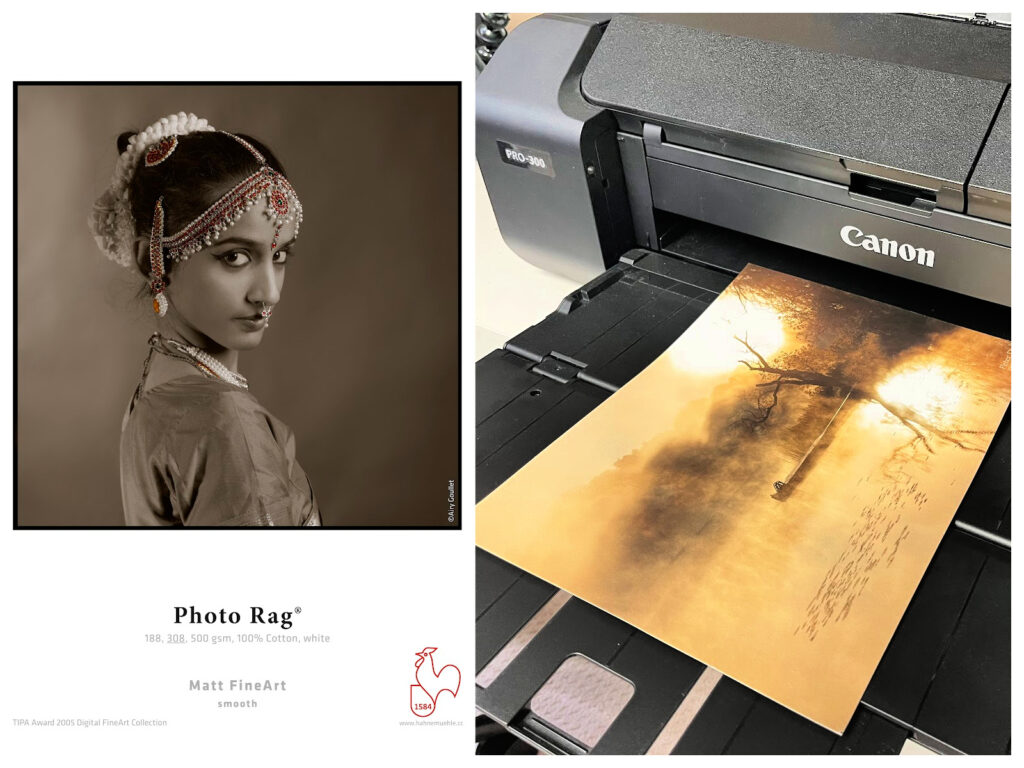
For this “Minimalist Landscape” collection, I decided to use the Hahnemühle Photo Rag 308gsm paper. The Hahnemühle Photo Rag is one of the world’s most popular papers and the valued all-rounder for high-quality FineArt inkjet printing. The white cotton artist’s paper, with its characteristic, wonderfully soft feel, boasts a lightly defined felt structure, lending each artwork a three-dimensional appearance and impressive pictorial depth. It was perfect for this photo series – why not give it a try!
Peter Dulis