
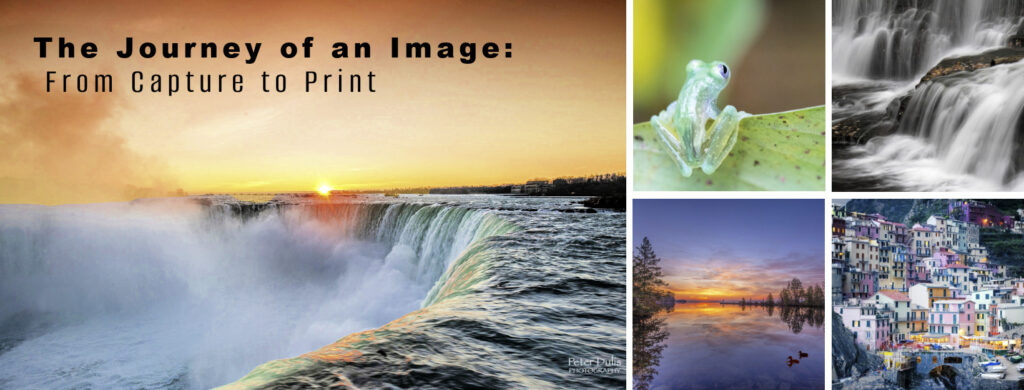
Every photograph begins with a moment. Perhaps it is the way morning light falls across a landscape, the mist rising from a quiet lake, or the unexpected beauty of an ordinary scene. As photographers, we recognize these moments and instinctively reach for our cameras. We compose, adjust our settings, and press the shutter. But is the photograph finished at that moment? I believe the answer is no.
The click of the shutter is only the beginning of the journey. The real creative process continues through editing, preparation, paper selection, printing, and ultimately displaying the finished image. This is The Journey of an Image—the transformation of a fleeting moment into something tangible and lasting.
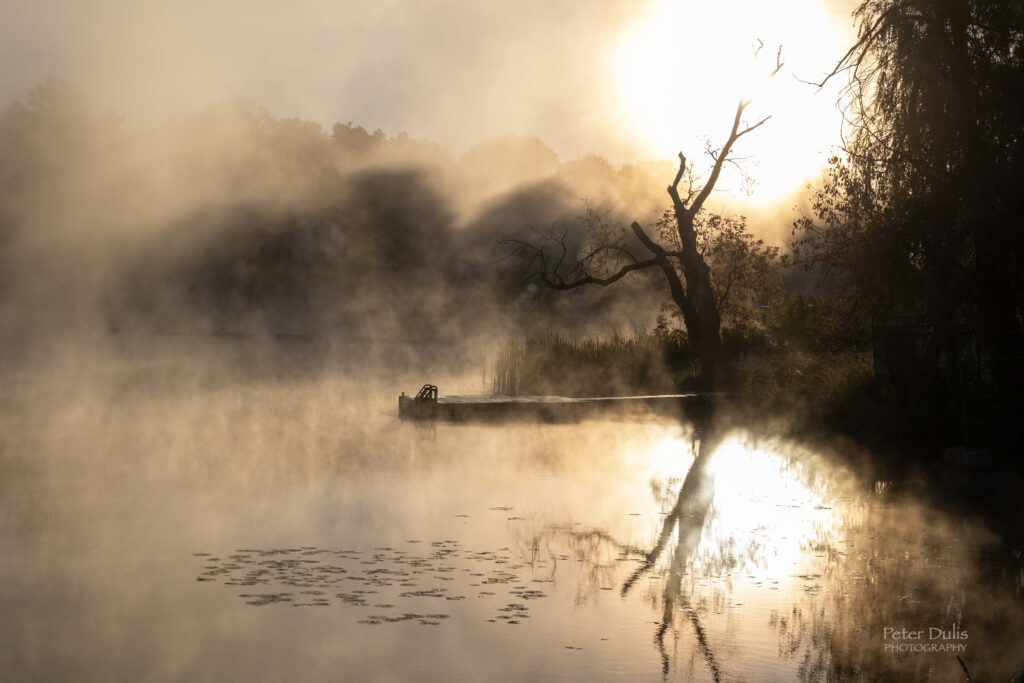
24-240mm lens; 1/400 sec.; f/11; ISO 100; Aperture mode
It Begins with Seeing
Great photographs aren’t necessarily found in spectacular locations. They are often discovered when we slow down enough to notice something others might overlook—a subtle change in light, an interesting shape, a quiet moment, or a compelling relationship between colour and form. The camera doesn’t create that vision. It records it. I captured this image in Coboconk, Ontario, during an early morning when fog lingered at sunrise. During the day, this scene can appear quite ordinary. But when the fog rolls in and the first light of morning begins to filter through, the familiar can become something truly magical. Sometimes, the most beautiful photographs are hiding in plain sight. We just have to slow down and look.
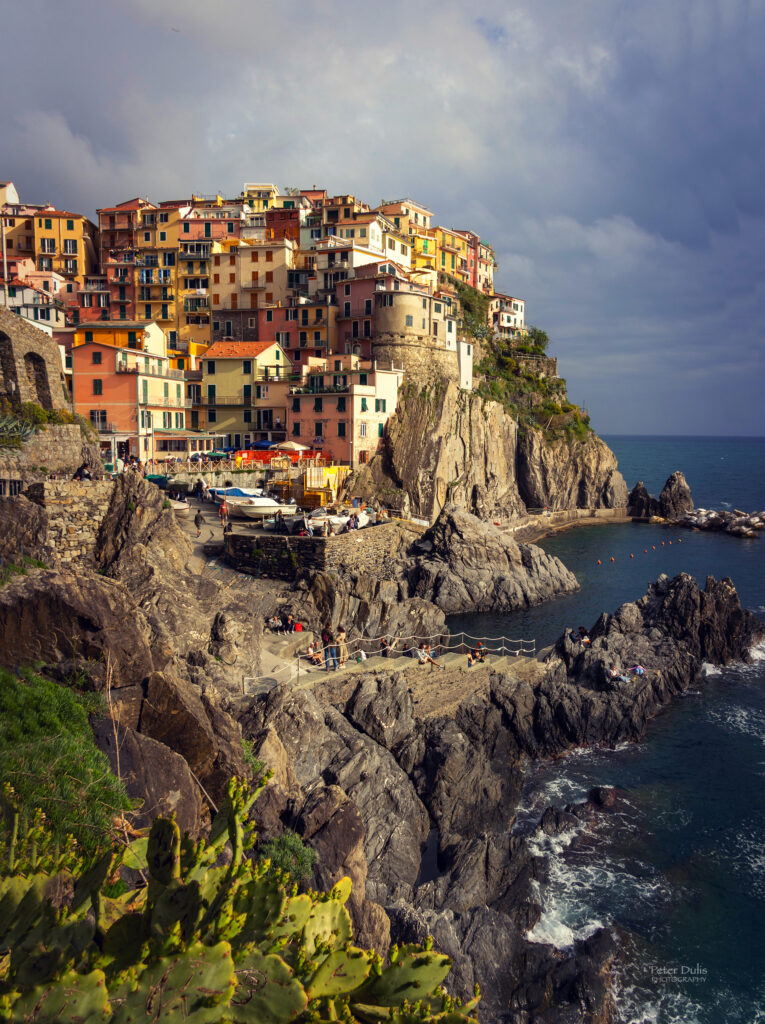
24-240 mm lens; 1/100 sec.; f/13; ISO 100; Aperture mode
The Capture
Once I’ve found my subject, the next step is capturing it. Modern cameras give us incredible technical capabilities, but technology doesn’t replace seeing. Exposure, composition, depth of field, shutter speed, focal length, and timing are the tools that help us translate our vision into a photograph. I shoot in RAW mode all the time. A RAW file preserves a tremendous amount of information, giving me greater flexibility when I begin to develop the image. I captured this image in Cinque Terre, Italy, a region I’ve always loved. I researched the area before my visit to find the best locations. For landscapes, I often use Aperture Priority at f/11 to achieve the depth of field I want while keeping my focus on composition and light.
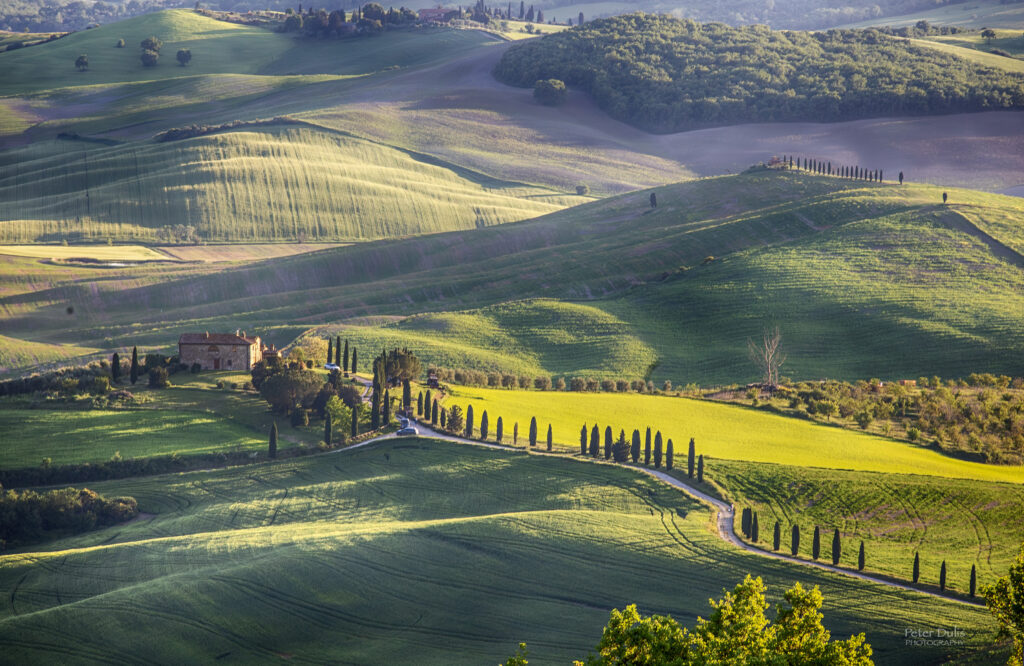
24-240 mm lens; 1/250 sec.; f/13; ISO 1250; Aperture mode
Developing the Vision
The next stage of the journey takes place on the computer. This is where I begin to edit the photograph and bring it closer to what I envisioned when I captured the image. Programs such as Lightroom, Camera Raw, and Photoshop give us remarkable control over colour, contrast, exposure, highlights, shadows, sharpness, and composition. But editing should not simply be about making an image look “better.” It should be about making the photograph communicate.
Perhaps the original scene was soft and atmospheric. Maybe the light was dramatic and contrasty. Perhaps the most important element was a small detail that could easily get lost. Our editing decisions should help the viewer experience what attracted us to the scene in the first place. Good editing supports the photograph and the vision of the photographer.
Preparing for the Print
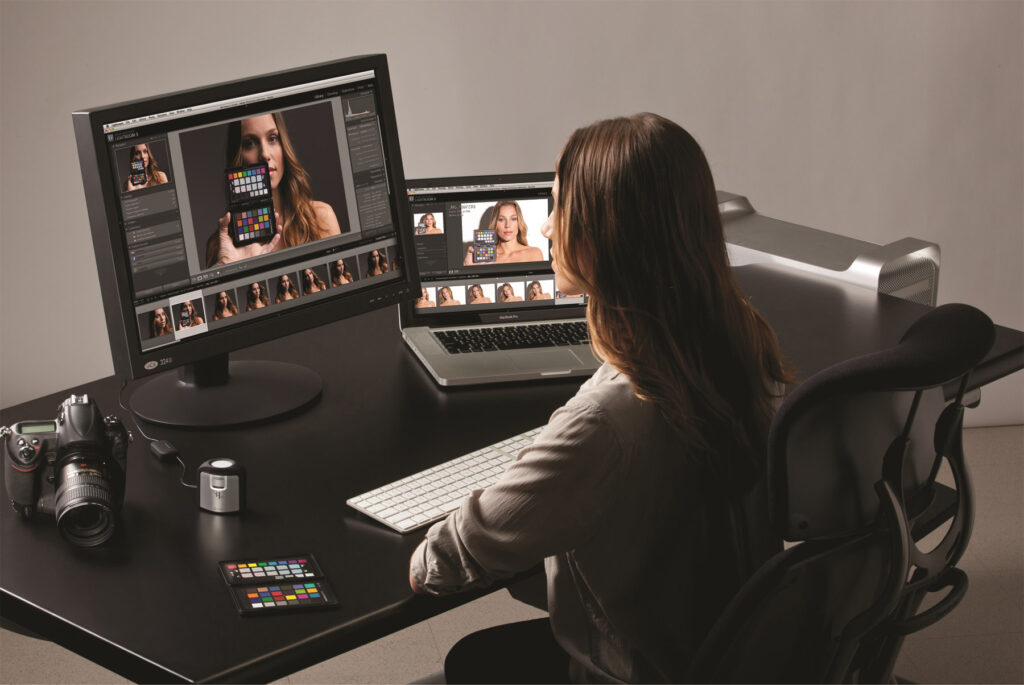
Eventually, we reach a point where we have to make an important decision: Is this photograph going to remain on a screen, or will it become a print? Printing introduces another dimension to the creative process. A digital image can look beautiful on a calibrated monitor, but a print is a physical object. It has size, texture, surface, colour, and presence. This means that preparing an image for print requires careful consideration.
Monitor calibration and colour management become important. Resolution matters. Soft-proofing allows us to preview how an image may respond to a particular printer and paper combination. I love this stage of the journey.
Paper Becomes Part of the Photograph
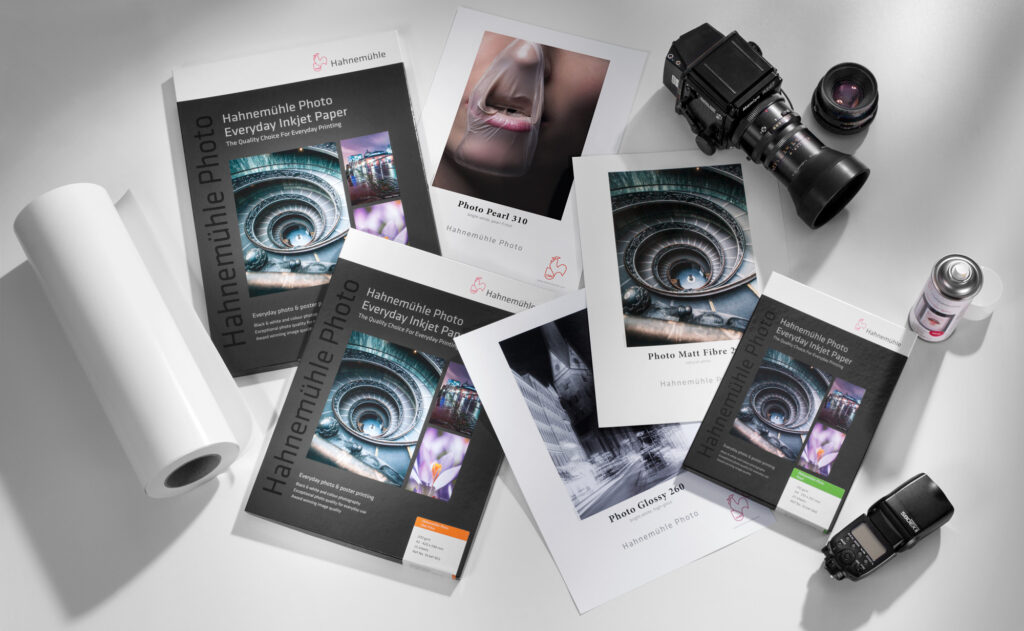
And then comes one of my favourite parts of the process—choosing the paper. Hahnemühle’s sample packs make it easy to experiment with different papers and discover how each one can enhance the look, feel, and character of an image. Fine art papers aren’t simply different surfaces to put ink on. They influence how we experience the photograph. A smooth paper may be ideal for a detailed architectural image. A textured surface such as German Etching can add a tactile, almost painterly quality to a landscape. A warmer paper may complement an image with soft, nostalgic tones. The same photograph printed on two different papers can feel like two different works of art. That is why paper selection should be considered part of the creative process rather than an afterthought.
The Moment the Image Becomes a Print
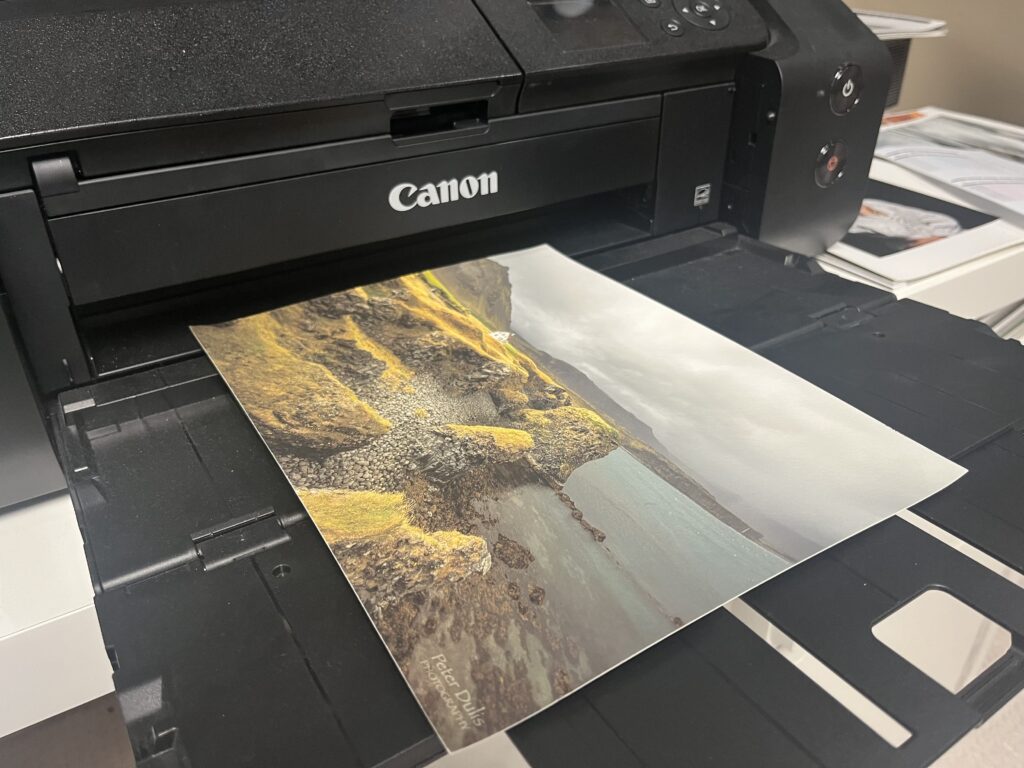
There is something truly special about watching a photograph emerge from a printer. After more than 30 years of printing, I still get excited when I see an image come to life on a quality fine art inkjet printer. What began as a moment in the field has travelled through the camera, computer, software, colour management, and careful paper selection—and now it has become something physical. You can hold it, examine the detail, feel the texture of the paper, frame it, and hang it on a wall. Suddenly, the photograph has a presence that a screen simply cannot provide. That’s why I believe printing isn’t just the final step—it is the completion of the photographic journey.
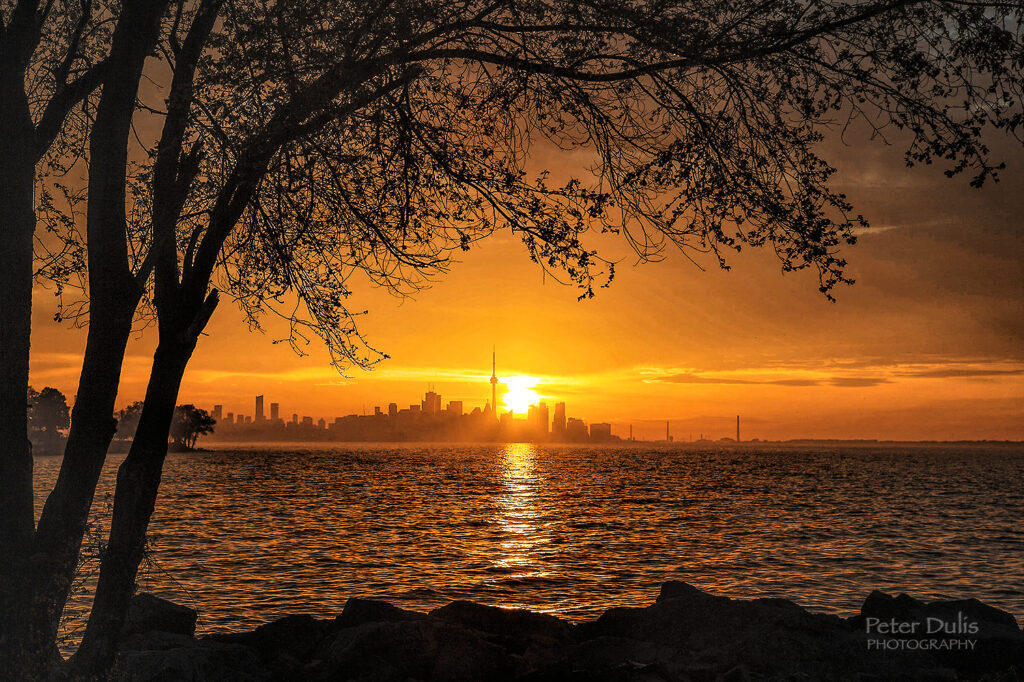
24-105mm lens; 1/320 sec.; f/9; ISO 100; Aperture mode
From Photograph to Legacy
We live in an age where we can take thousands of photographs and store them on phones, computers, and cloud services. But how many of those images will we actually look at again? A printed photograph is different. It asks us to slow down. It occupies physical space. It becomes part of our environment and, sometimes, part of our family history. It can be passed from one generation to another. A photograph that once represented a morning, a journey, a person, or a special moment can eventually become a piece of family history.
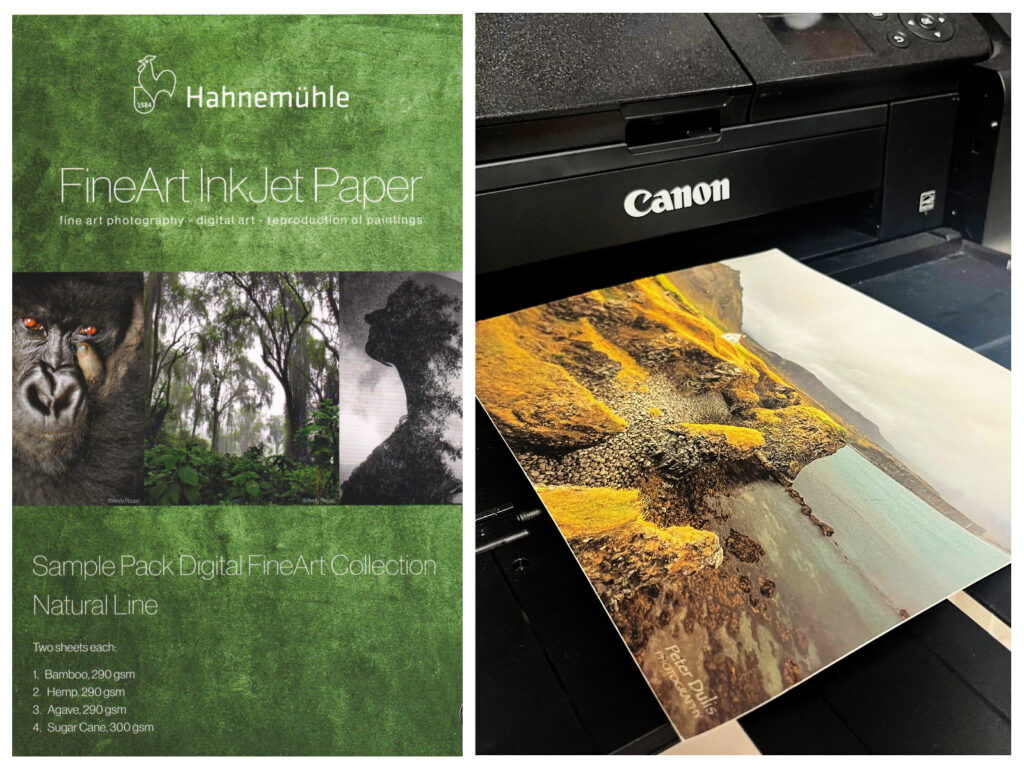
The Finishing Touch
For this collection, I decided to experiment with different fine art media using the Hahnemühle Natural Line Sample Pack. It included two sheets each of Bamboo, Hemp, Agave, and Sugar Cane—four unique papers with their own character and feel. I loved the idea of trying something different, why not give it a try!
Ps – Be sure to visit us at the Amplis booth at the Toronto ProFusion Expo 2026, November 11–12!
ProFusion is a unique opportunity to expand your knowledge, discover emerging technologies, and gain insight into the latest industry trends.
We’ll be presenting both days on the Main Stage with: The Journey of an Image: From Capture to Print
Join us as we explore the creative and technical journey of a photograph—from the moment of capture to the finished fine-art print. Hope to see you there!
Peter Dulis