
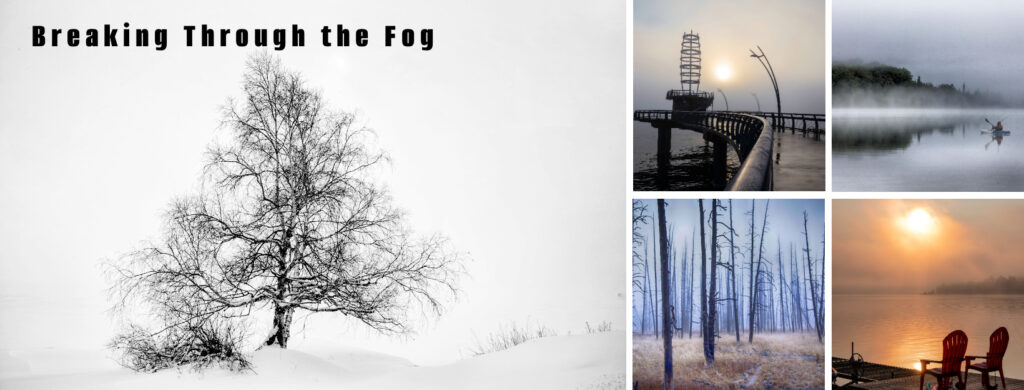
There is something captivating about photographing fog. It transforms familiar landscapes into mysterious scenes, softens harsh details, and creates an atmosphere that is both peaceful and dramatic. One of my favorite moments as a photographer is witnessing the sun begin to break through the fog, revealing layers of light, texture, and beauty that often go unnoticed on a clear day. So here are some of my favorite fog shots I’ve been fortunate to capture over the years. Hope it inspires you to look through the lens in a different way!
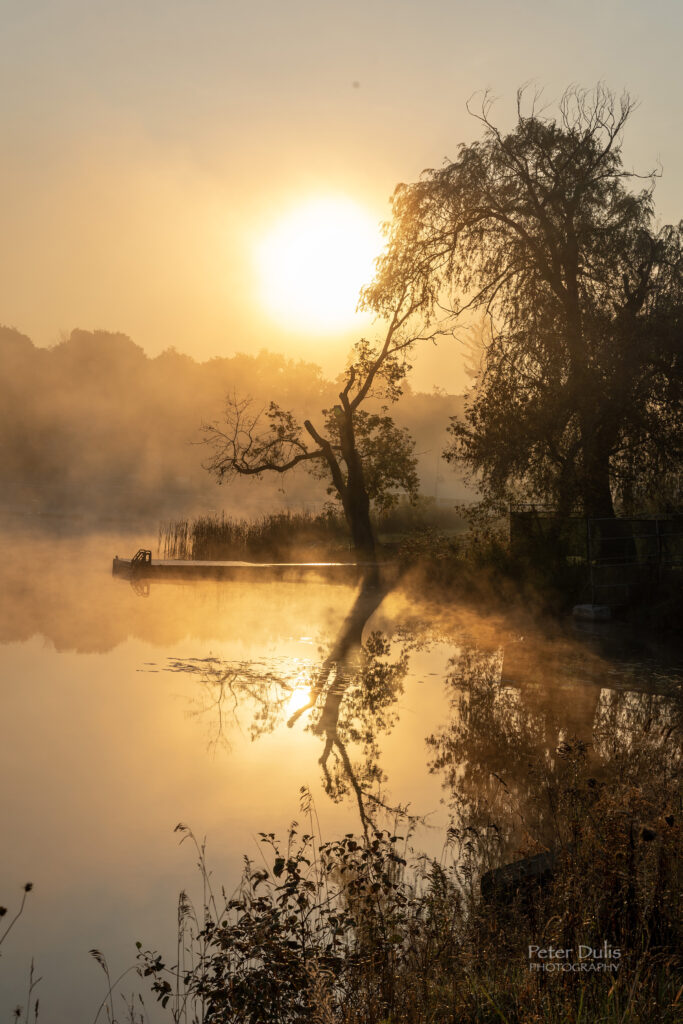
24-105mm lens; 1/1600 sec.; f/4; ISO 100; Aperture mode
Fog has a unique way of simplifying a composition. Distractions disappear, colors become more subtle, and the subject often stands alone with greater impact. Trees, barns, shorelines, fishing boats and wildlife take on a completely different character when partially hidden by mist. The ordinary suddenly becomes extraordinary. The landscape looks completely different without the beautiful fog and radiant sunrise that transformed the scene. This photograph was captured in Coboconk, Ontario, where the morning light and mist created a truly unforgettable moment.
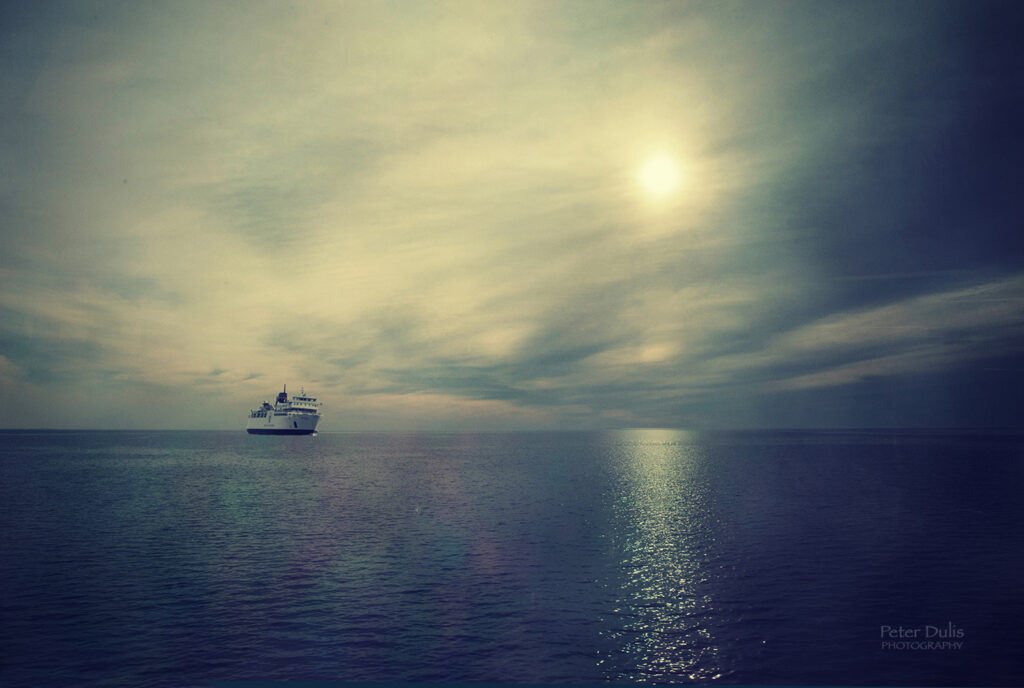
24-105mm lens; 1/1600 sec.; f/10; ISO 1600; Aperture mode
Capturing “breaking through the fog” shots requires patience and timing. Fog can change rapidly, and some of the most dramatic moments may last only a few minutes. Arriving early is essential. Often, the best opportunities occur around sunrise when the first light begins to interact with the lingering mist. As the sun climbs higher, beams of light stream through openings in the fog, creating stunning contrasts between light and shadow. Here’s a special moment at South Bay Mouth, Manitoulin Island, as the Chi-Cheemaun ferry comes into view at sunrise.
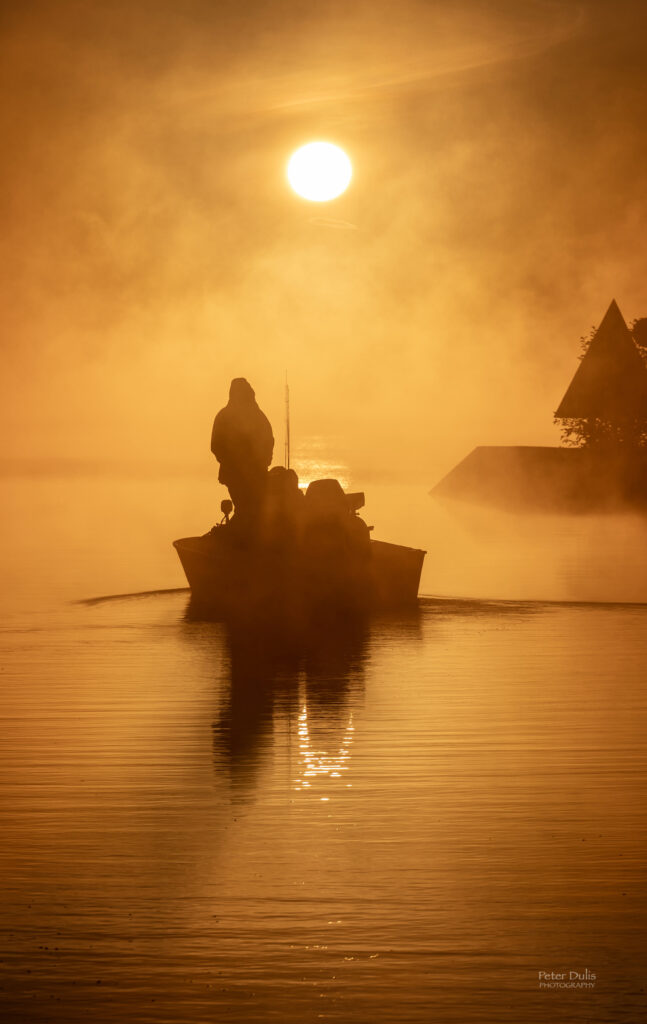
24-240mm lens; 1/2500 sec.; f/11; ISO 100; Aperture mode
When photographing fog, I often look for strong subjects that can anchor the composition. Lone trees, church steeples, barns, bridges, and mountain ridges work especially well. These subjects provide a focal point while the fog adds atmosphere and depth. Telephoto lenses can be particularly effective for compressing layers of fog-covered landscapes, while wide-angle lenses help showcase the broader scene and the interplay of light across the landscape. I love this shot taken on Balsam Lake early at sunrise. I wait patiently at the boat launch as the fisherman launch their boats and troll into the sunrise mist.
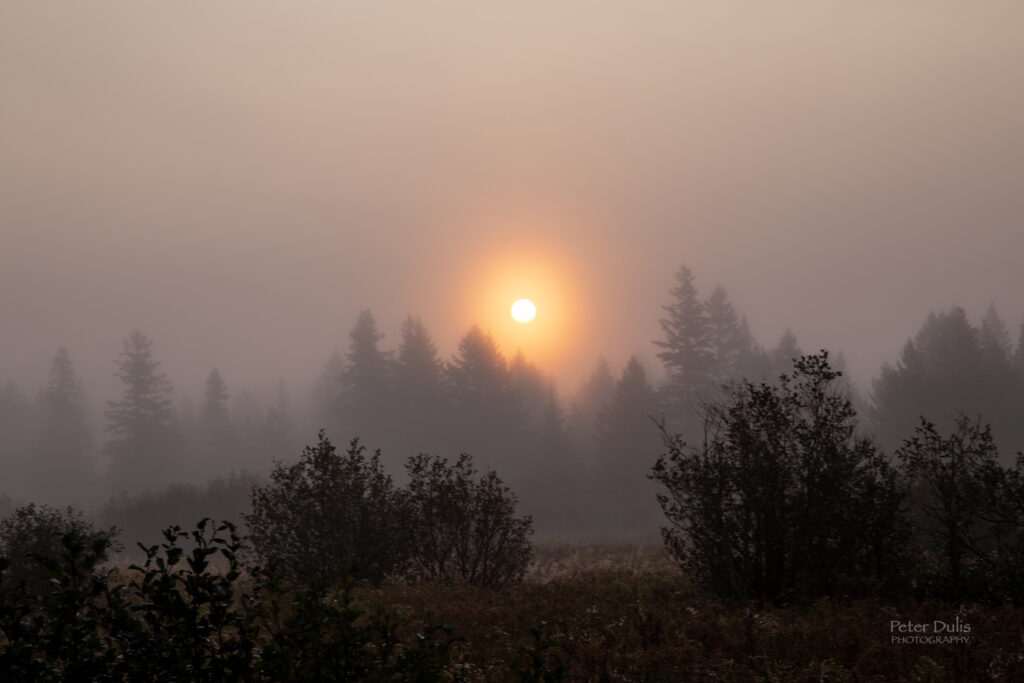
24-105mm lens; 1/100 sec.; f/11; ISO 100; Aperture mode
Exposure can be challenging in foggy conditions. Camera meters often try to render the bright fog as gray, resulting in underexposed images. Slight positive exposure compensation can help maintain the brightness and softness that make fog scenes so appealing. Shooting in RAW format also provides greater flexibility when recovering highlights and adjusting contrast during post-processing. This was an early morning shot in New Brunswick, near the famous Bay of Fundy.
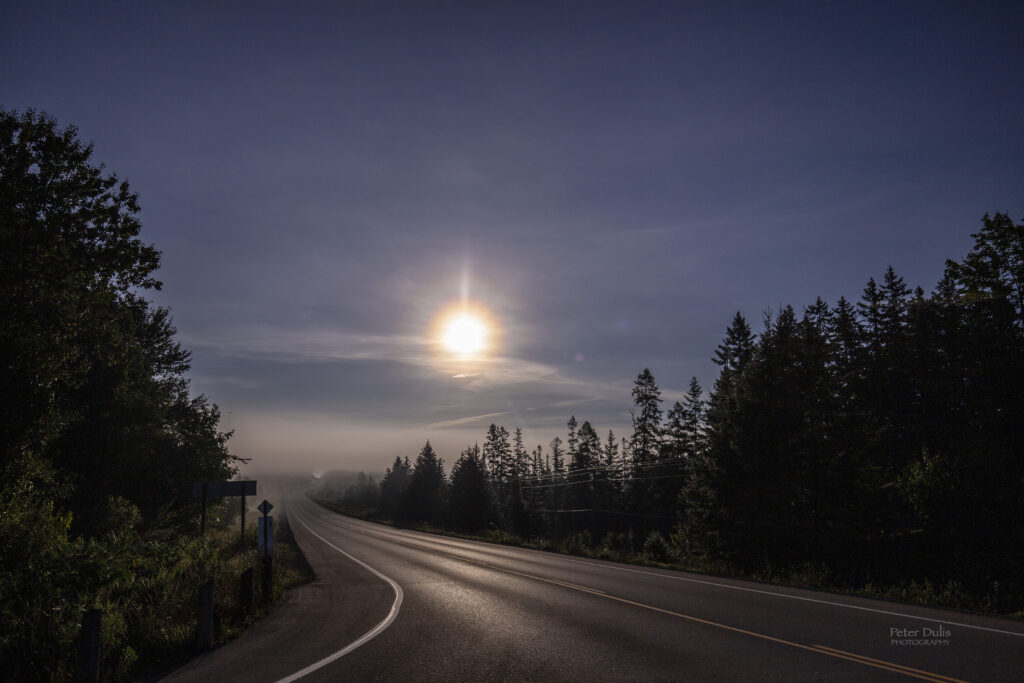
16-35mm lens; 1/3200 sec.; f/11; ISO 100; Aperture mode
More than anything, “Breaking Through the Fog” is about capturing moments of transition. It is the meeting point between darkness and light, mystery and clarity. Every sunrise that pierces the mist reminds us that beauty often emerges gradually and that some of nature’s greatest displays are reserved for those willing to wait. Here’s another of my favorite early morning shots close to Balsam Lake, Ontario as the fog rises over Highway 48.
Conclusion
For photographers, these quiet mornings are a gift—a chance to witness the landscape in a way that few people experience. The next time the forecast calls for fog, consider heading out with your camera. You may discover that the most memorable images are found not in perfect conditions, but in the moments when the light begins breaking through the fog.
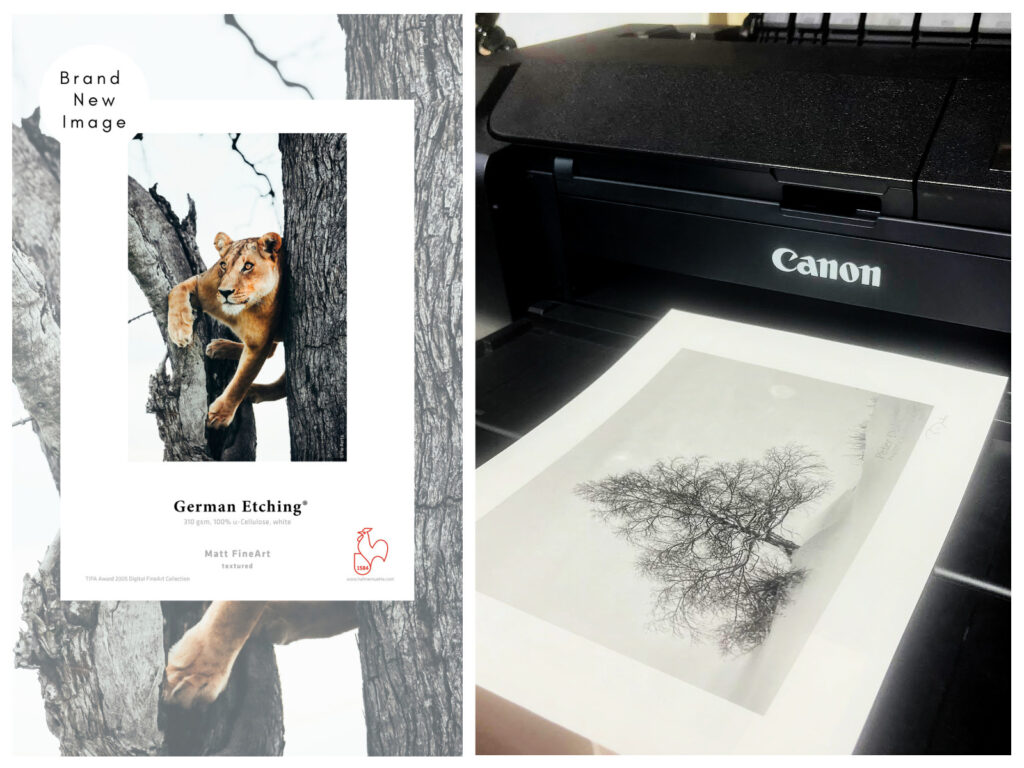
The Finishing Touch
For this “Foggy” collection, I chose Hahnemühle German Etching paper. It has long been one of my favourite fine art papers whenever I want to add a rich, textured feel to a print. Its distinctive surface enhances the subtle tones and atmosphere of each image, creating impressive depth and a beautiful three-dimensional quality.
If you’ve never printed on German Etching, I highly recommend giving it a try. It’s included in Hahnemühle’s Matt FineArt Textured Sample Pack, which lets you experience this paper along with four other exceptional fine art media—a great way to discover which surface best complements your photography.
Peter Dulis