Minimalism means removing the unnecessary and perfecting what remains
Photographic minimalism is an approach to photography that emphasizes simplicity, clean composition, and visual clarity. It’s about using as few elements as possible—often focusing on a single subject, lots of negative space, simple lines, shapes, or muted color palettes—to create striking, uncluttered images.
The goal is to strip away distractions so that the viewer’s attention is drawn to what truly matters in the frame. Minimalist photos often feel calm, balanced, and contemplative, inviting viewers to appreciate beauty in simplicity and everyday details. For this article, I wanted to share some of my thoughts and photos exploring minimalism.
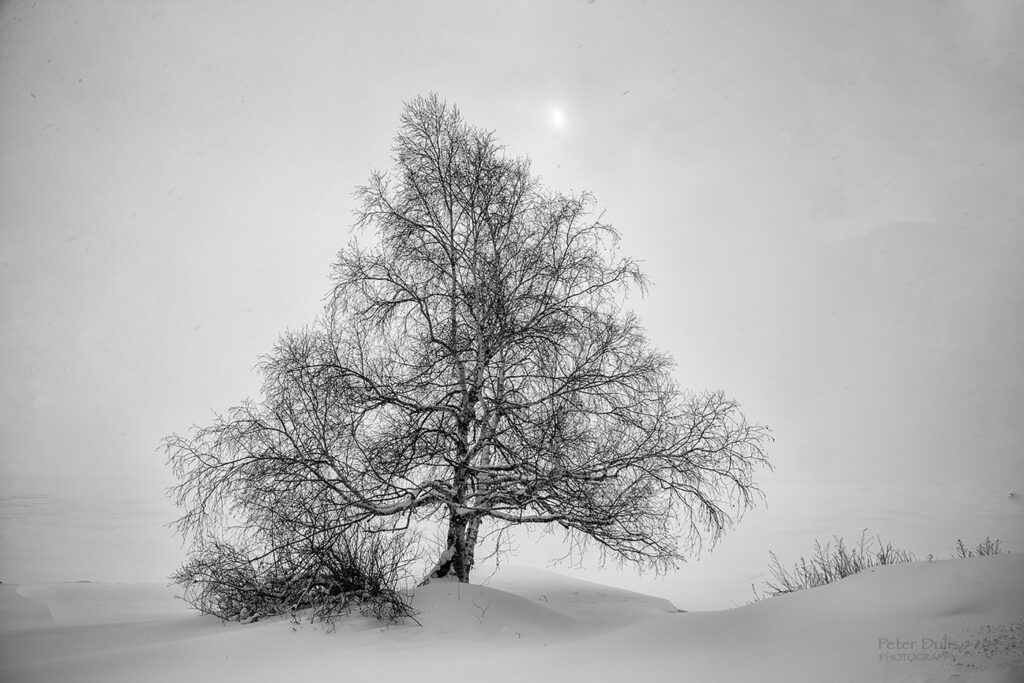
24-105mm lens; 1/125 sec.; f/13; ISO 100; AV mode.
Focus on a single subject
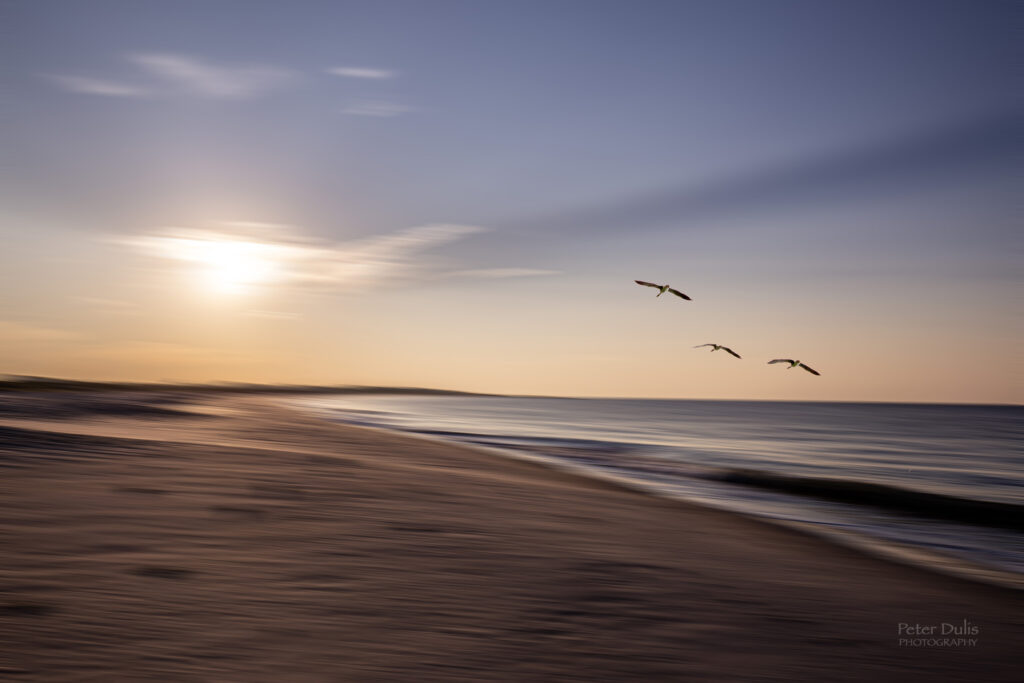
Choose one main element to be the center of attention. Avoid including too many details that could distract from it. Few moments rival the beauty of sunrise or sunset when it comes to capturing nature’s richest colors.
24-105mm lens; 1/160 sec.; f/16; ISO 100; AV mode
Use simple color palettes
Stick to one or two dominant colors, or go for black and white. Limiting colors prevents visual clutter and strengthens the minimalist feel. When the morning fog lifts, I love heading to the water’s edge. It creates the perfect setting for minimalist photos—like this one taken at Balsam Lake, Ontario in winter.
16-35mm; 1/200 sec.; f/13; ISO 100; AV mode
Embrace negative space
Leave large areas of empty space (like sky, walls, water, or blank backgrounds). Negative space helps emphasize your subject and creates a sense of simplicity and calm. I enjoy combining minimalist compositions with ICM (intentional camera movement), whether I capture the effect at the moment or enhance it afterward in Photoshop.
16-35mm; 1/50 sec.; f/14; ISO 100; AV mode
Look for clean lines and shapes
Architectural lines, horizons, or natural shapes can add structure and visual interest while keeping the composition simple. I created a series of photos called Architectural Abstracts, focusing on minimalist compositions that highlight shapes and lines. Images like these make striking pieces of wall art.
24-240mm lens; 1/100 sec,; f/11; ISO 125; AV mode.
Get close or zoom in
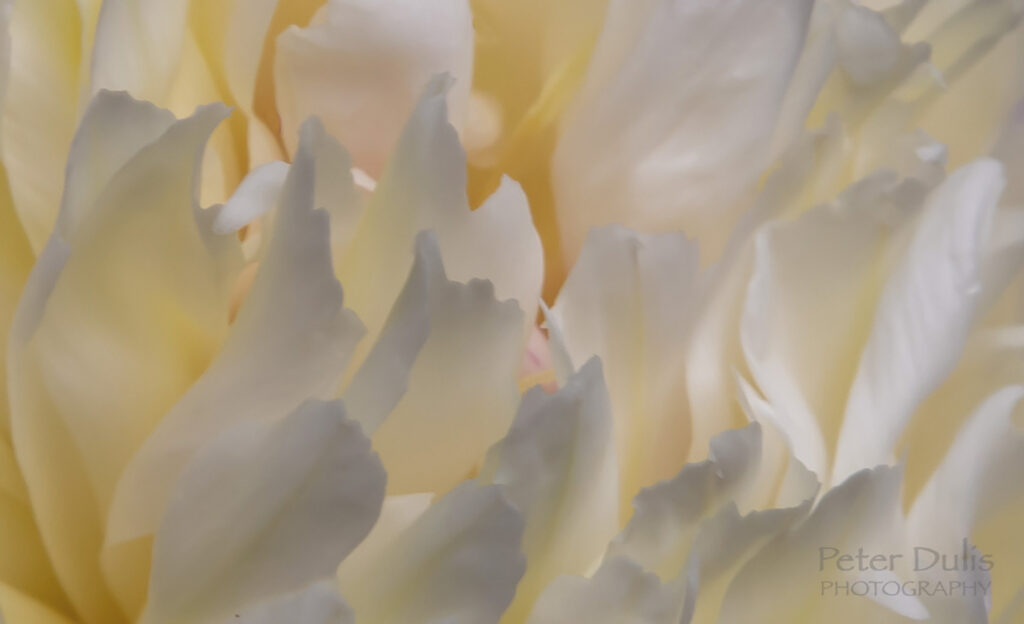
Fill the frame with your subject or crop tightly to remove unwanted distractions around it. By doing this, you draw the viewer’s attention exactly where you want it—on the subject itself. (the soft flower pedals) Filling the frame emphasizes details, textures, and shapes that might otherwise be overlooked, and it helps create a sense of intimacy and focus. I love to do this with flower photography using a 100mm Macro lens.
24-105mm lens; 1/125 sec.; f/11; ISO 100; AV mode
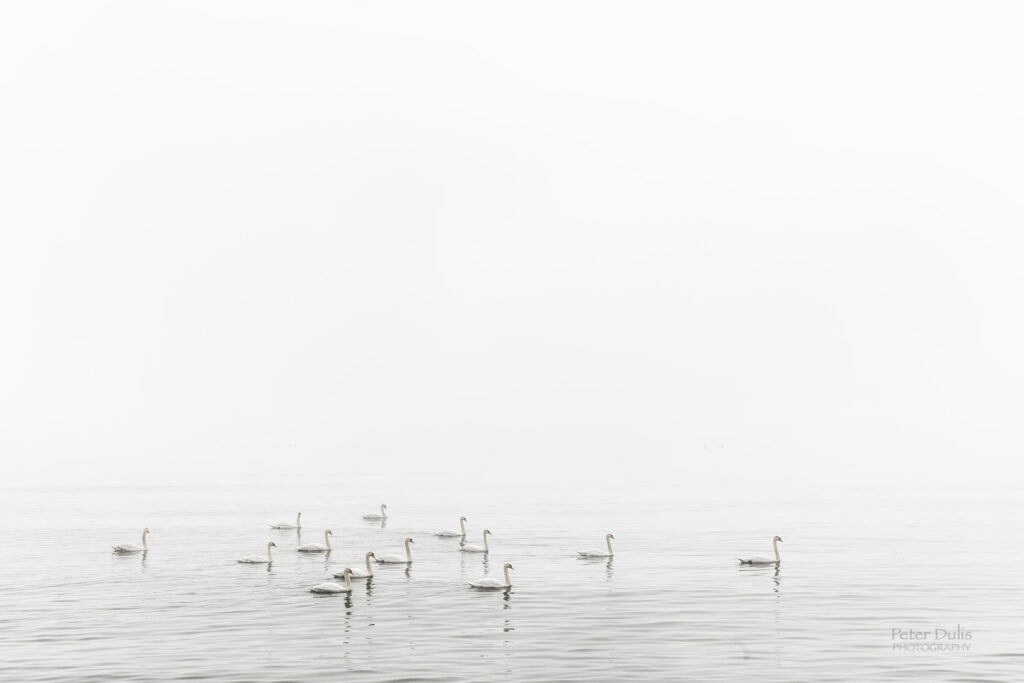
Simplify your background
Plain backgrounds like clear skies, smooth walls, or large bodies of water help your subject stand out. This shot was taken early one misty morning by Lake Ontario, with the fog gently hugging the water—perfect conditions for minimalist photography that feels peaceful and timeless.
Conclusion
In the end, minimalism isn’t just a photographic style—it’s a way of seeing the world more clearly, noticing beauty in simplicity, and finding peace in empty spaces. I hope these images inspire you to slow down, look closer, and appreciate the quiet power of less.
The Final Touch
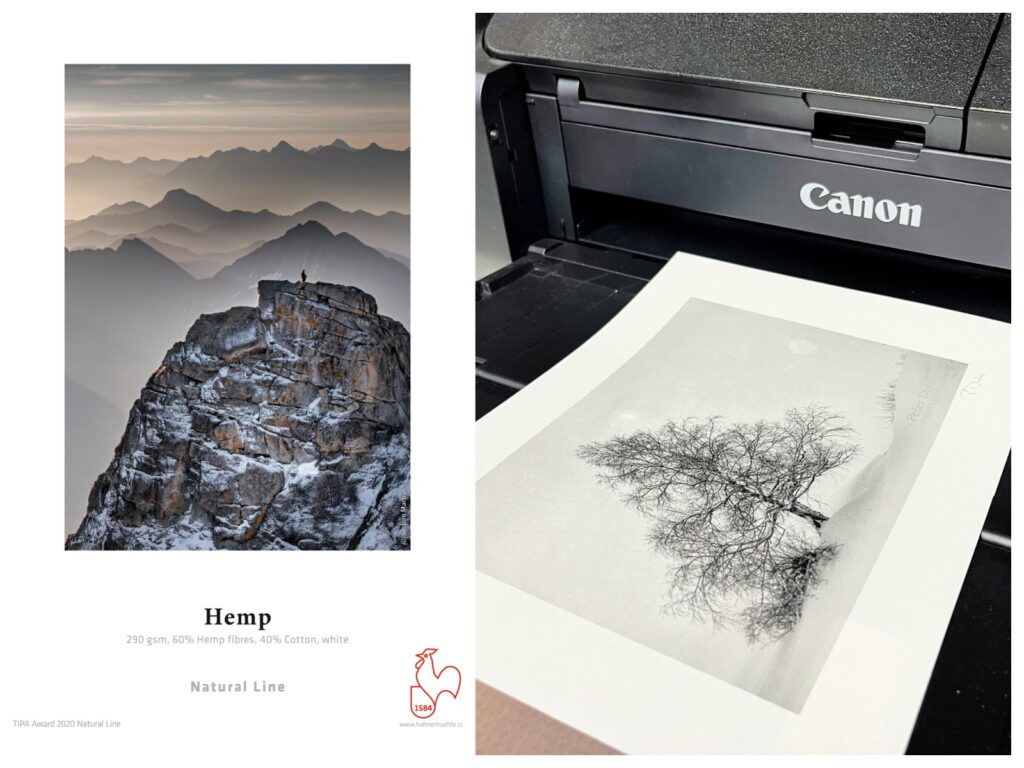
For this “Minimalist Photo” collection, I decided to use the Hahnemuhle Hemp paper. Hahnemühle Hemp uses one of the oldest and most diverse natural fibres in the world and is made of 60% hemp fibre. I was impressed with its bright white natural tone, thanks to the bright white colour of the hemp fibres (no optical brighteners are added) The lightly textured surface gives the paper a pleasant, silky feel. Very nice. Colours and details are brilliantly reproduced, the depth of the black truly stands out and contrasts are reproduced with stunning effect. I was really surprised by the paper – why not give it a try!
If you’re curious to explore it yourself, I recommend the Natural Line sample pack. It includes two sheets each of Bamboo, Hemp, Agave, Sugar Cane and Bamboo Gloss Baryta—a great way to experience the range.